
For Dr. Bianco, Professional Satisfaction Begins with a Partnership with Patients
By Andrew Wilson
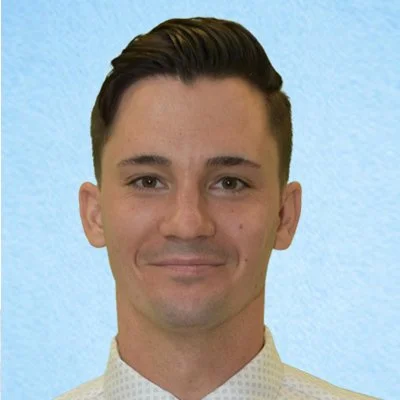
John Bianco, D.O.
John Bianco, D.O., has a philosophy that many patients who dread going to a doctor’s appointment may find reassuring.
“I view the doctor-patient relationship as a partnership with a common goal – a happier, healthier patient,” said Dr. Bianco, a family medicine physician with WVU Medicine. “I want to be relatable because that can help people open up a bit.”
Dr. Bianco says that begins during the first visit with a discussion of how the patient is feeling and what their ideal picture of health is for themselves. While he hopes this will be an honest discussion from the get-go, he also understands that some patients may be reluctant to share too much immediately.
“Sometimes you have to get through the barriers that many patients put up for one reason or another,” he said. “I intentionally approach challenging topics in a light, approachable way, which I’ve found fosters a more relaxed environment and encourages an open, honest conversation.”
One of the reasons that many people avoid regular doctor appointments is that they fear the doctor will judge them for being overweight, having high blood pressure, or not getting regular exercise. Dr. Bianco seeks a more constructive approach to addressing these issues.
“I try to approach patients in a way that’s not judgmental,” he said, acknowledging that he may see things in that first visit that raise a red flag that he wants to address with them. “My goal is to manage patients’ conditions in a constructive and compassionate way. Far too often in healthcare patients are reduced to a list of diagnoses, effectively losing their sense of identity. That’s why I work with patients to find solutions to the issue at hand, rather than treating them as if they are the issue.”
One of the health issues that patients may struggle with the most is diet and exercise, particularly the exercise portion of that equation.
“I find time and again that patients struggle with finding the time to exercise,” Dr. Bianco said. “I try to emphasize that medical research has shown that there are significant health benefits from regular exercise beyond those that are commonly understood, like weight loss and cardiovascular health.”
He says that in addition to losing weight and lowering blood pressure, regular exercise has been shown to have significant mental health benefits, as well as reducing a person’s risk of developing cancer. Even with those potential benefits, some people are put off by the recommended weekly amount of exercise – 150 minutes.
“I’ve noticed that some patients have an all or nothing mindset when it comes to daily exercise,” Dr. Bianco said. “Many people tell themselves they don’t have time to exercise for the recommended 150 minutes a week, and think, ‘why bother?’ I remind them that the recommendation is a goal to work towards and even a portion of that time can be beneficial. What I’ve seen is that patients who start small still often notice the immediate benefits – like improved mood and increased energy – which motivates them to gradually devote more time to exercise, often eventually surpassing the 150-minjute goal.”
He feels that for many people, good health is a matter of getting rid of bad habits and building up good habits. He highly recommends James Clear’s book, Atomic Habits: Small Steps to Big Changes.
“I reference that book frequently,” Dr. Bianco said. “It explores how we form good habits. It usually takes about two to five months for a habit to stick but, once it does, it becomes part of your daily routine. The ultimate goal, of course, is to carry that habit with you for the next 30 years.”
Once the good habit – like making time for regular exercise – becomes part of a person’s routine, it can feel like something was forgotten if exercise was missed on a certain day. Dr. Bianco describes that as a “positive form of anxiety,” a nagging feeling that makes you want to get back on your routine as soon as possible.
“It can be challenging to get to that point, but when patients do, it’s amazing to see how their outlook changes,” he said. “You can really feel that energy shift, and they begin to take pride in their accomplishments.”
He says that that is what he derives the most satisfaction from as a physician.